Wednesday, 7 October 2026
YHDP YHDP Preventive medicine information
and vaccination for everyone

YHDP – Preventive medicine and vaccination information

Tuberculosis

One of the most dangerous infectious diseases; prevented from birth with BCG vaccine.

Hepatitis B

Vietnam has a high prevalence of hepatitis B; the birth dose given within 24 hours is the golden shield.

Diphtheria

A highly virulent disease; vaccination is mandatory under Circular 52/2025/TT-BYT.

Pertussis (whooping cough)

Vaccinating mothers in the last 3 months of pregnancy passes on antibodies that protect babies in their first months…

Invasive Hib disease

A leading bacterial cause of purulent meningitis and pneumonia in young children.

Polio

Vietnam eliminated polio in 2000 and keeps this achievement with oral bOPV and injected IPV.

Rotavirus gastroenteritis

The leading cause of diarrhoea requiring hospital care in children; prevented by an oral vaccine given from 6 weeks of…

Pneumococcal disease (IPD)

Pneumococcal vaccine is being added to the Expanded Programme on Immunization under Resolution 104; there are several…

Meningococcal meningitis

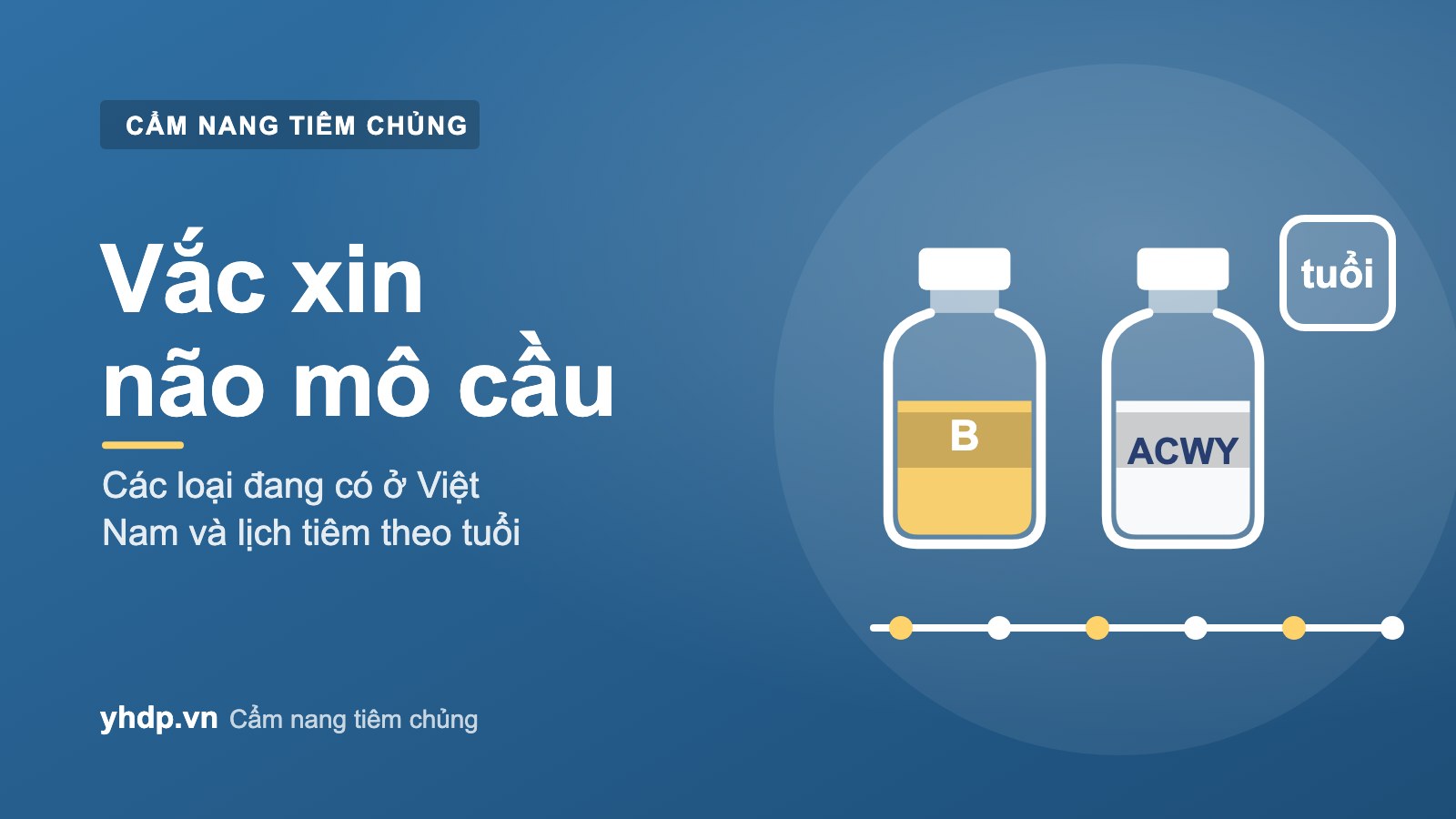
Neisseria meningitidis is a coffee-bean-shaped Gram-negative diplococcus. There are 13 serogroups, of which 6 (A, B,…

MythDiseases were already disappearing before vaccines because of better hygiene?

Fact: Hygiene and nutrition helped reduce deaths but did NOT eliminate the germs. Measles, polio and pertussis only fell dramatically after vaccines reached the whole population. For example, when the UK and Japan cut back on pertussis vaccination in the 1970s over fears of side effects, huge pertussis epidemics returned almost immediately, with dozens of deaths.

Source: US CDC & Vietnam Association of Preventive Medicine

MythMost people who catch the disease in an outbreak are vaccinated, so the vaccine does not work?

Fact: This is a probability paradox. In a population with very high vaccination coverage (for example 98%), vaccinated people vastly outnumber unvaccinated people. No vaccine is 100% effective (most are 85–95%). In a school of 1,000 pupils where 995 are vaccinated and 5 are not, when measles breaks out, 100% (5/5) of the unvaccinated pupils fall ill, while only 2% (20/995) of the vaccinated pupils get a mild illness. There are 20 cases among vaccinated pupils compared with 5 among unvaccinated pupils, but the vaccinated group is far better protected.

Source: 2026 vaccination recommendations

MythGiving a child several vaccines at the same time overloads the immune system?

Fact: A newborn's immune system can respond to thousands of antigens at once. Food, air and the bacteria that normally live in the mouth and nose expose a child to hundreds of times more antigens every day than a vaccine does. Combination vaccines, or several vaccines given at the same visit, protect children as early as possible during their highest-risk period without increasing side effects.

Source: WHO & National Institute of Hygiene and Epidemiology

If a vaccine dose is given late, does the series have to start again?

Fact: Any interruption of a vaccination schedule (except oral typhoid vaccine) does NOT require starting again. The body keeps its "immune memory". You only need to continue with the missing doses at the recommended intervals.

Source: 2026 lifelong vaccination schedule recommendations

How many days early can a dose be given and still count?

The 4-day rule: a dose given 1 to 4 days before the minimum due date is still considered valid. A dose given 5 or more days early does not count and must be repeated once the required interval has passed.

Source: Ministry of Health of Vietnam

What is invasive meningococcal disease (IMD) and why is it so dangerous?

Invasive meningococcal disease (IMD) is a fulminant infection caused by the bacterium Neisseria meningitidis, including purulent meningitis and sepsis. It is extremely dangerous because it starts suddenly in completely healthy people; the first symptoms look like flu, but it can progress to endotoxic shock and death within 24 hours of the first symptom. The case fatality rate is 10–15%, and 20% of survivors are left with permanent disabilities.

Source: Book: Prevention of meningococcal disease in Vietnam (2024)

Which meningococcal serogroup has the highest fatality rate?

Serogroup W (W-135) has the highest case fatality rate (CFR) worldwide, up to 19–21.4% (according to data from Europe and the US CDC), followed by serogroup C (~16%), Y (~8%) and B (~8%). In Vietnam, serogroup B accounts for the majority of cases (>90%), but serogroups W and C have also been recorded causing invasive disease.

Source: Book: Prevention of meningococcal disease in Vietnam (2024)

Do people who have had meningococcal disease still need the meningococcal vaccine?

YES. Meningococci have 12–13 different serogroups (6 main ones: A, B, C, W, X and Y). Immunity after infection with one serogroup does not protect against the others. In addition, natural antibodies tend to wane over time. People who have had the disease therefore still need to be vaccinated for full protection.

Source: US CDC & Vietnam Association of Preventive Medicine

See all 30 questions

In the Expanded Programme on Immunization:

See all 79 vaccines