

Take the patient to hospital immediately if there is any of these signs
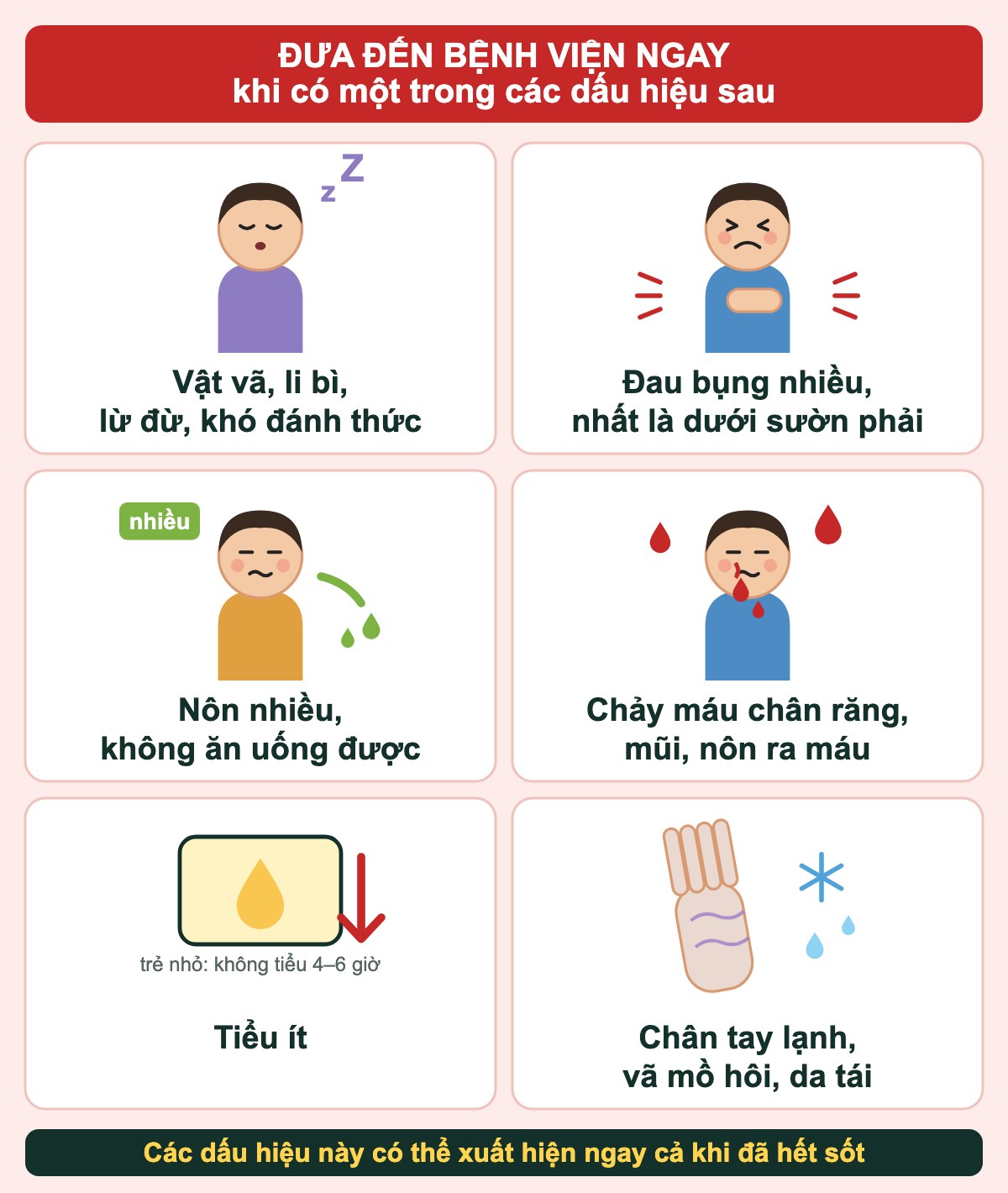
- Restlessness or agitation, or lethargy, drowsiness, difficulty waking.
- Severe abdominal pain, especially over the liver (below the right ribs).
- Repeated vomiting, unable to eat or drink.
- Bleeding: gums, nose, vomiting blood, black stools, prolonged menstrual bleeding or unusual bleeding.
- Passing little urine; young children not passing urine for 4–6 hours.
- Cold hands and feet, sweating, pale or mottled skin.
These signs can appear even after the fever has gone.
Three phases of the illness
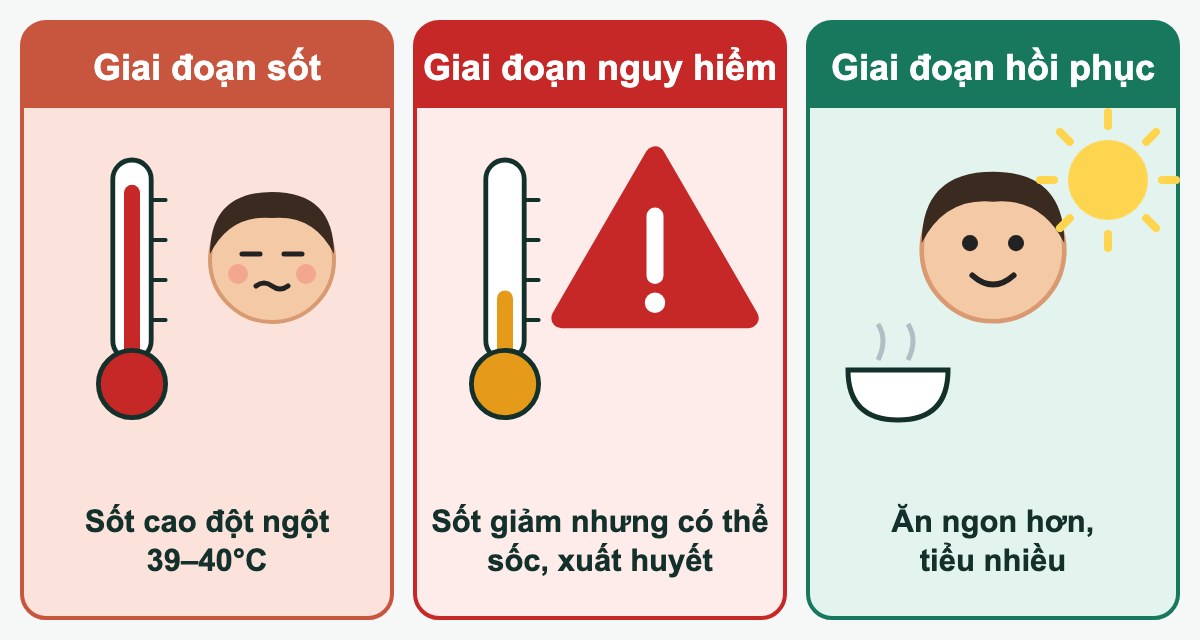
Febrile phase
Days 1–3
Sudden high fever of 39–40°C, headache, pain behind the eyes, muscle and joint pain, tiredness; small red spots may appear under the skin.
Critical phase
Days 3–7
The fever may come down, but plasma leaks out of the blood vessels, which can lead to shock, severe bleeding and damage to the liver, heart and brain. Close monitoring and daily check-ups are needed.
Recovery phase
After 48–72 hours
The fever is gone, appetite returns and urine output increases. Keep follow-up appointments with the doctor.
- Rest and eat soft, easily digested food.
- Drink plenty of fluids: oral rehydration solution, fruit juice (orange, lemon, coconut water), thin rice porridge.
- Bring down fever with paracetamol at the correct dose for body weight (usually 10–15 mg/kg per dose, 4–6 hours apart) and sponge with lukewarm water.
- Keep follow-up appointments and watch closely for warning signs, especially from day 3.
- Do not use aspirin, ibuprofen or other anti-inflammatory painkillers: they increase the risk of bleeding.
- Do not give intravenous fluids at home or at places without qualified staff.
- Do not use coin rubbing (cạo gió), skin pricking or herbal leaf poultices.
- Do not eat or drink red, black or brown foods and drinks: they can be mistaken for vomiting blood or bloody stools.
Prevention
Dengue vaccine
Qdenga
Tetravalent dengue vaccine · Takeda
Standard 2-dose schedule (from 4 years)
For: Preschool children (4–6 years)
| Dose | Age | Minimum interval from previous dose |
|---|---|---|
| Dose 1 (Qdenga) | 4 years | – |
| Dose 2 (Qdenga) | 4.2 years | 90 days |
For children aged 4 years and over and adults
Source: Recommended vaccination schedules for all ages in Vietnam (2026 edition). Reviewed on 06/10/2026.
Dengue vaccine schedule calculator
About dengue
Cause
RNA virus of the genus Flavivirus, family Flaviviridae (DENV 1, 2, 3, 4)
Transmission
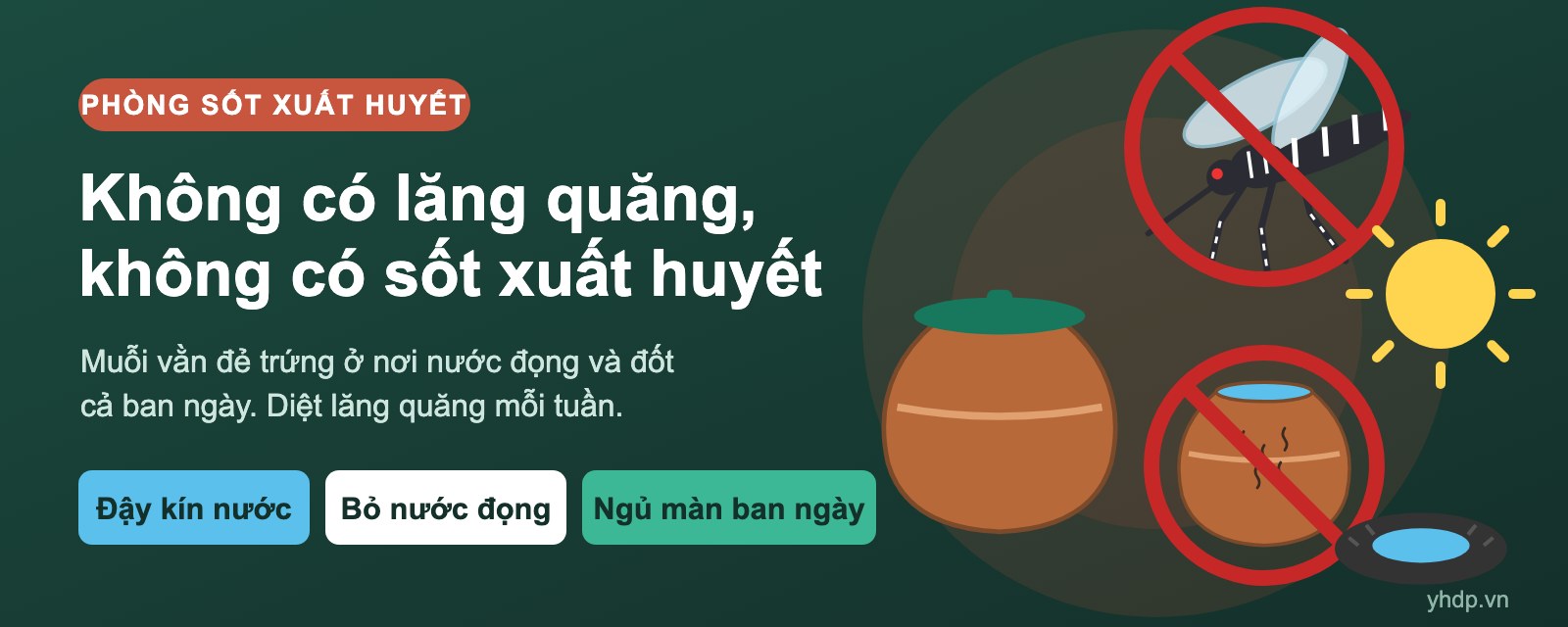
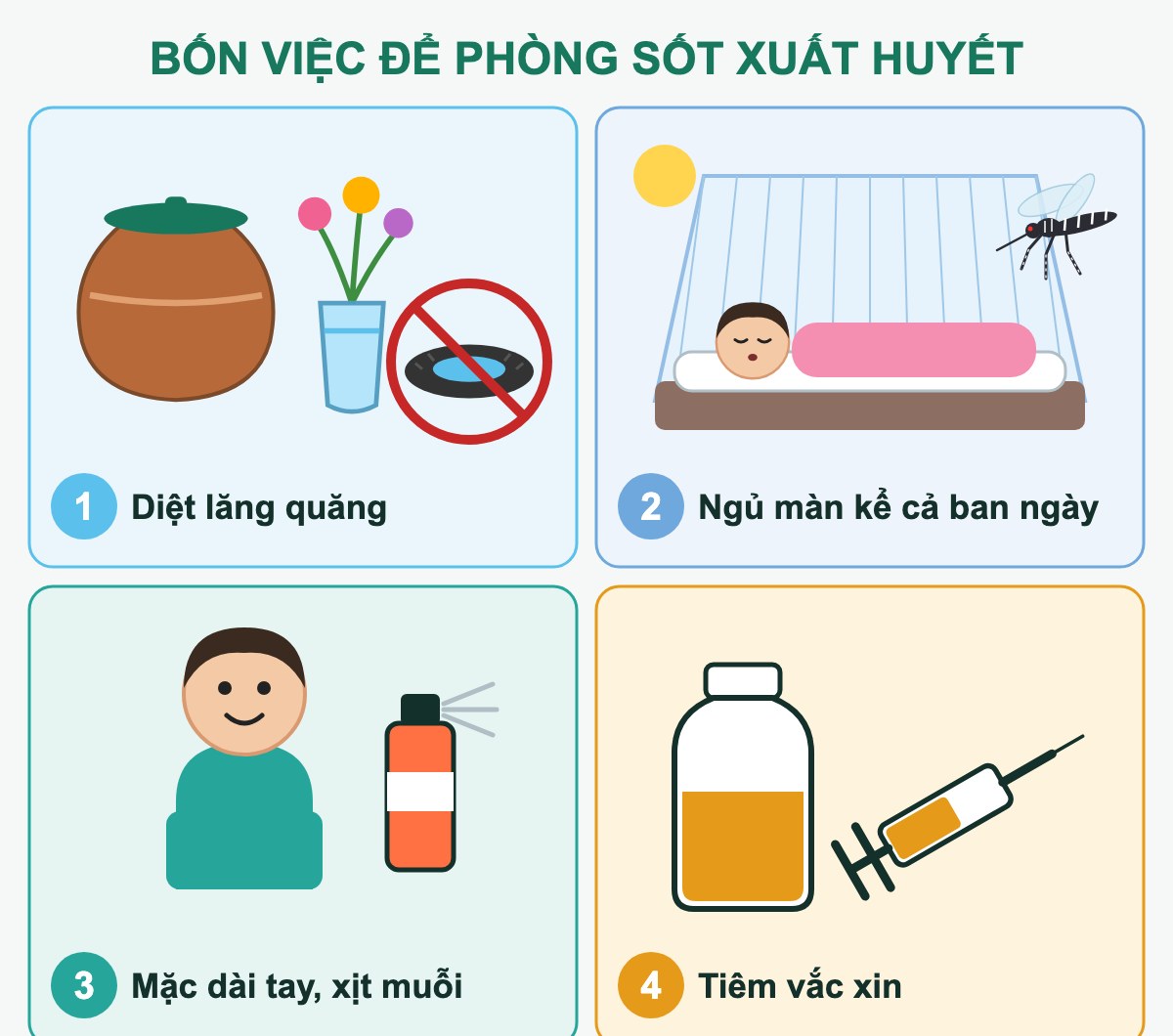
Spread by the bite of female Aedes mosquitoes (mainly Aedes aegypti – over 80% – and Aedes albopictus). The mosquitoes lay eggs in man-made containers of clean water around the house (jars, tanks, flower vases, coconut shells, old tyres). They bite most actively in the early morning and late afternoon before sunset. The disease does NOT spread directly from person to person.
Symptoms
The illness goes through 3 distinct clinical phases:
1. FEBRILE PHASE (days 1–3): sudden, continuous high fever of 39–40°C that is hard to bring down, severe headache, pain behind the eyes, muscle and joint aches, loss of appetite, nausea, flushed skin, positive tourniquet test.
2. CRITICAL PHASE (days 3–7): the temperature may come down, but this is the most dangerous time! Plasma leaks out because the blood vessel walls become more permeable, the blood becomes concentrated (rising Hct) and platelets fall quickly. WARNING SIGNS must be recognised immediately: severe pain over the liver, persistent vomiting, mucosal bleeding (nosebleeds, bleeding gums, blood in the urine, heavy menstrual bleeding), fluid in the chest or abdomen, lethargy or drowsiness, liver enlarged by more than 2 cm.
3. RECOVERY PHASE (days 7–10): the fever is gone, circulation is stable, urine output increases, appetite returns, and a convalescent rash appears – red patches with islands of normal skin – which may itch.
Complications
Dangerous, life-threatening complications:
- DENGUE SHOCK SYNDROME (DSS): circulatory collapse from severe plasma leakage, a rapid weak pulse, narrowed or low blood pressure, cold clammy bluish skin, little or no urine.
- SEVERE BLEEDING: massive gastrointestinal bleeding (vomiting blood, black coffee-ground stools), brain haemorrhage, internal bleeding with disseminated intravascular coagulation (DIC).
- MULTI-ORGAN FAILURE: acute liver failure (AST and ALT soaring to ≥ 1,000 U/L), acute kidney failure, myocarditis, encephalitis with coma and seizures.
- IN PREGNANT WOMEN: risk of miscarriage, premature birth, stillbirth, and postpartum haemorrhage that threatens the lives of both mother and baby.
Who is at risk of severe disease
- Children and adults living in areas where Aedes mosquitoes are endemic (especially the southern, central and Central Highlands provinces and urban outbreak areas in Hanoi).
- People infected a second time with a different serotype (risk of shock and severe complications many times higher because of ADE).
- People with underlying conditions: diabetes, high blood pressure, obesity, heart disease, chronic lung disease, chronic liver or kidney disease, haemoglobin disorders (thalassaemia).
- Pregnant women (especially around labour), infants under 12 months.
Questions about dengue
Why did Dengvaxia require a blood test before vaccination, while Qdenga does not?
The key difference lies in the technology and the risk of ADE (antibody-dependent enhancement):
- Dengvaxia (Sanofi): uses a yellow fever 17D virus backbone. In people who have never had dengue (seronegative), the vaccine acts like a first natural infection. When such a person is later bitten by a mosquito and naturally infected with dengue, non-neutralising antibodies trigger ADE, causing the virus to multiply massively, which leads to severe dengue and more hospital admissions. WHO therefore requires a blood test to confirm previous dengue infection before Dengvaxia can be given.
- Qdenga (Takeda): uses a dengue type 2 virus backbone (strain PDK-53) and stimulates both neutralising antibodies and broad T cell-mediated immunity. A phase 3 clinical trial with 4.5 years of follow-up confirmed that Qdenga is safe and highly effective in BOTH PEOPLE WHO HAVE AND HAVE NOT HAD DENGUE, so NO screening test is needed before vaccination.
Source: Book: Dengue fever (Vietnam Association of Preventive Medicine, 2024)
What is antibody-dependent enhancement (ADE) in dengue?
ADE (antibody-dependent enhancement) is the mechanism that explains why a second dengue infection is often more severe than the first. After recovering from one dengue type (for example DENV-1), the body has lifelong protective antibodies against DENV-1, but cross-reactive antibodies against the other types (DENV-2, 3, 4) fade after a few months. When a later mosquito bite causes infection with DENV-2, the old cross-reactive antibodies are not strong enough to neutralise the virus; instead they form complexes that bind to Fc gamma receptors on the surface of macrophages. This helps the new virus enter immune cells faster and multiply in huge numbers, causing a cytokine storm, increased capillary permeability and massive plasma leakage, which leads to shock and internal bleeding.
Source: Book: Dengue fever (Vietnam Association of Preventive Medicine, 2024)
Why must aspirin or ibuprofen never be used for fever when dengue is suspected?
In dengue, the platelet count falls sharply and the blood vessel walls are damaged, so the risk of spontaneous bleeding is very high. Aspirin and non-steroidal anti-inflammatory drugs (NSAIDs such as ibuprofen and diclofenac) inhibit platelet aggregation and irritate and ulcerate the stomach lining. Using them makes bleeding worse and can easily lead to massive gastrointestinal bleeding (vomiting blood, black stools), stomach perforation and death from blood loss. THE ONLY FEVER MEDICINE ALLOWED IS PARACETAMOL, at 10–15 mg/kg per dose (4–6 hours apart, no more than 60 mg/kg per day).
Source: Decision 2760/QĐ-BYT & the 2024 dengue book
What are the dengue warning signs that mean the patient must go to hospital immediately?
According to Ministry of Health guidance, a person with dengue must be taken to hospital immediately if any of the following warning signs appear (usually between day 3 and day 7 of the illness):
1. Severe abdominal pain, with increasing and continuous pain over the liver (below the right ribs).
2. Persistent vomiting (3 times in 1 hour or 4 times in 6 hours).
3. Mucosal bleeding: bleeding gums, nosebleeds that are hard to stop, vomiting blood, black stools, blood in the urine, abnormal vaginal bleeding.
4. Fluid around the lungs or in the abdomen (swollen abdomen, laboured breathing).
5. Lethargy, drowsiness, restlessness, irritability, or cold hands and feet with sweating.
6. Tests: a high haematocrit (Hct) together with a rapid fall in platelets to below 100,000/mm3.
Source: Ministry of Health Decision 2760/QĐ-BYT
Can the Qdenga dengue vaccine be given on the same day as other vaccines?
According to professional guidance: Qdenga is a live attenuated vaccine. EXCEPT for yellow fever vaccine, Qdenga must NEVER BE GIVEN ON THE SAME DAY as other live attenuated vaccines (such as measles, mumps, rubella or chickenpox). The required interval between Qdenga and other live vaccines is at least 28 days (4 weeks), so that they do not reduce each other's immune response.
Source: Qdenga prescribing information & the 2024 dengue book
Can breastfeeding women receive the Qdenga dengue vaccine?
CONTRAINDICATED. Unlike many other vaccines, the Qdenga dengue vaccine is clearly labelled by the manufacturer Takeda and the Ministry of Health as CONTRAINDICATED in breastfeeding and pregnant women. Women of childbearing age should use effective contraception for at least 1 month after each Qdenga dose.
Source: Qdenga prescribing information approved by the Ministry of Health
Articles
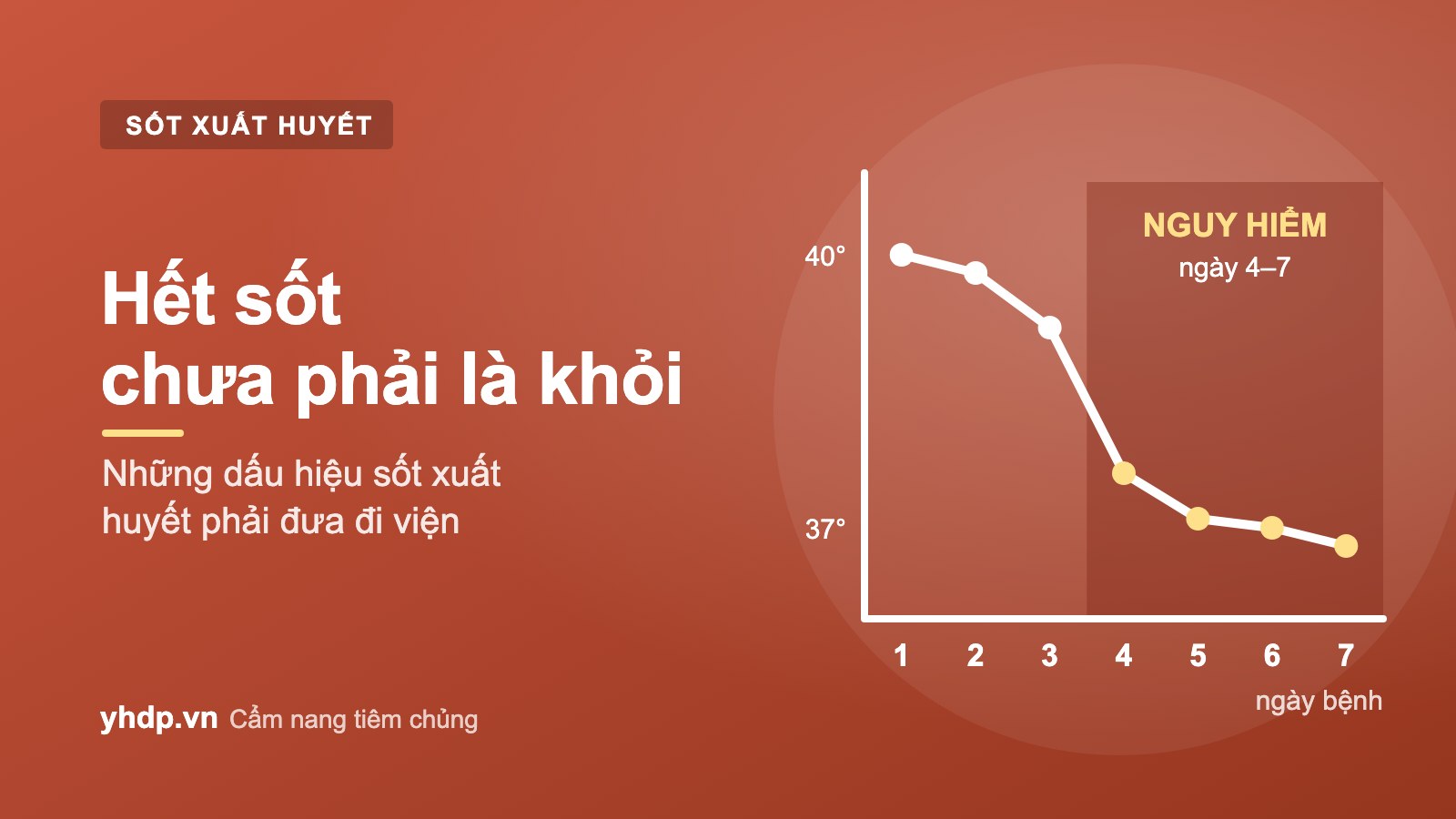
Dengue: the fever going down does not mean recovery – warning signs that need hospital care
The illness goes through 3 phases. The critical phase usually falls on days 4 to 7, just as the fever eases. Warning signs, home…
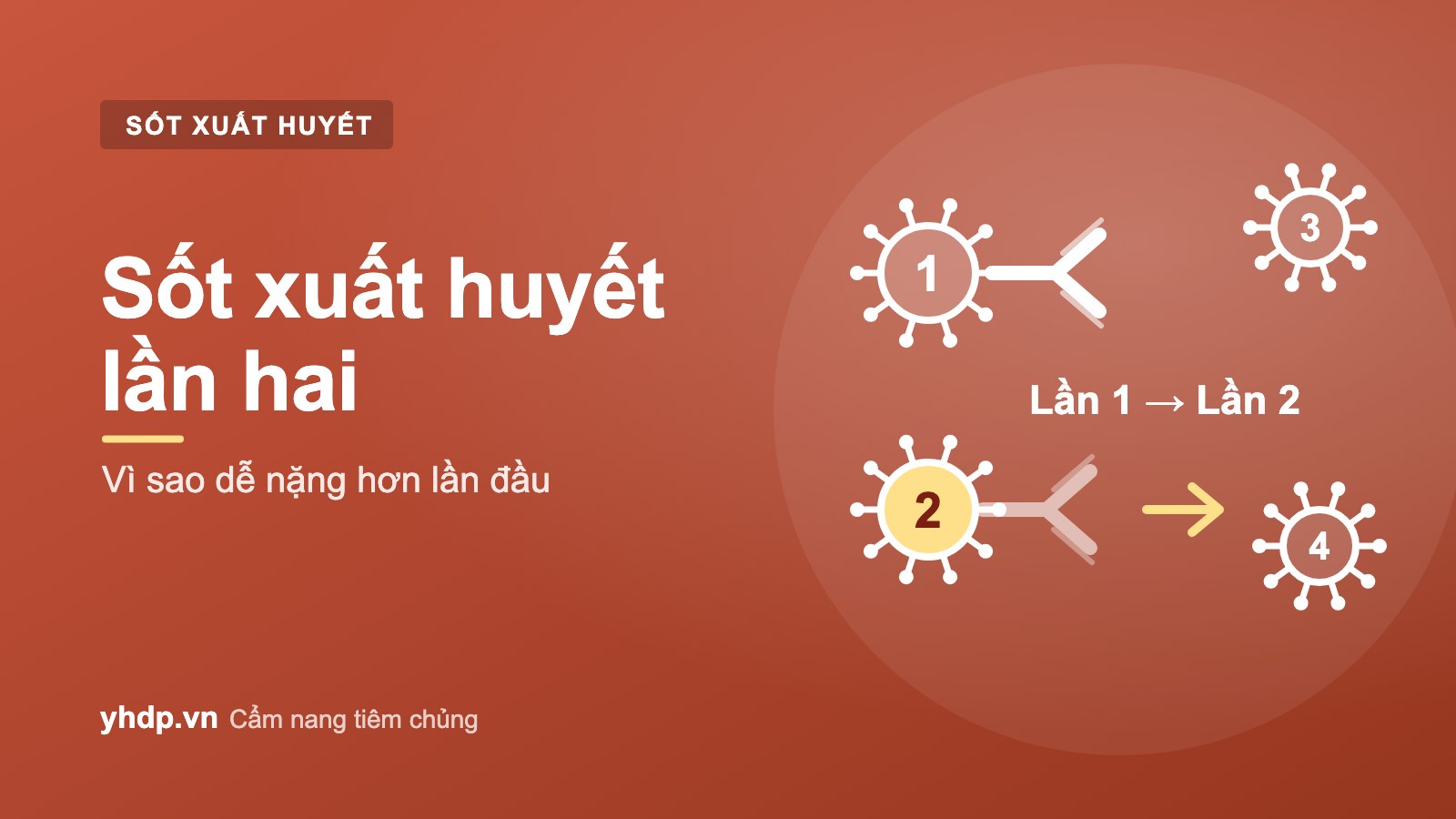
Why a second dengue infection is more likely to be severe than the first
There are four dengue virus types. Having one type does not give lasting protection against the others, and old antibodies can…
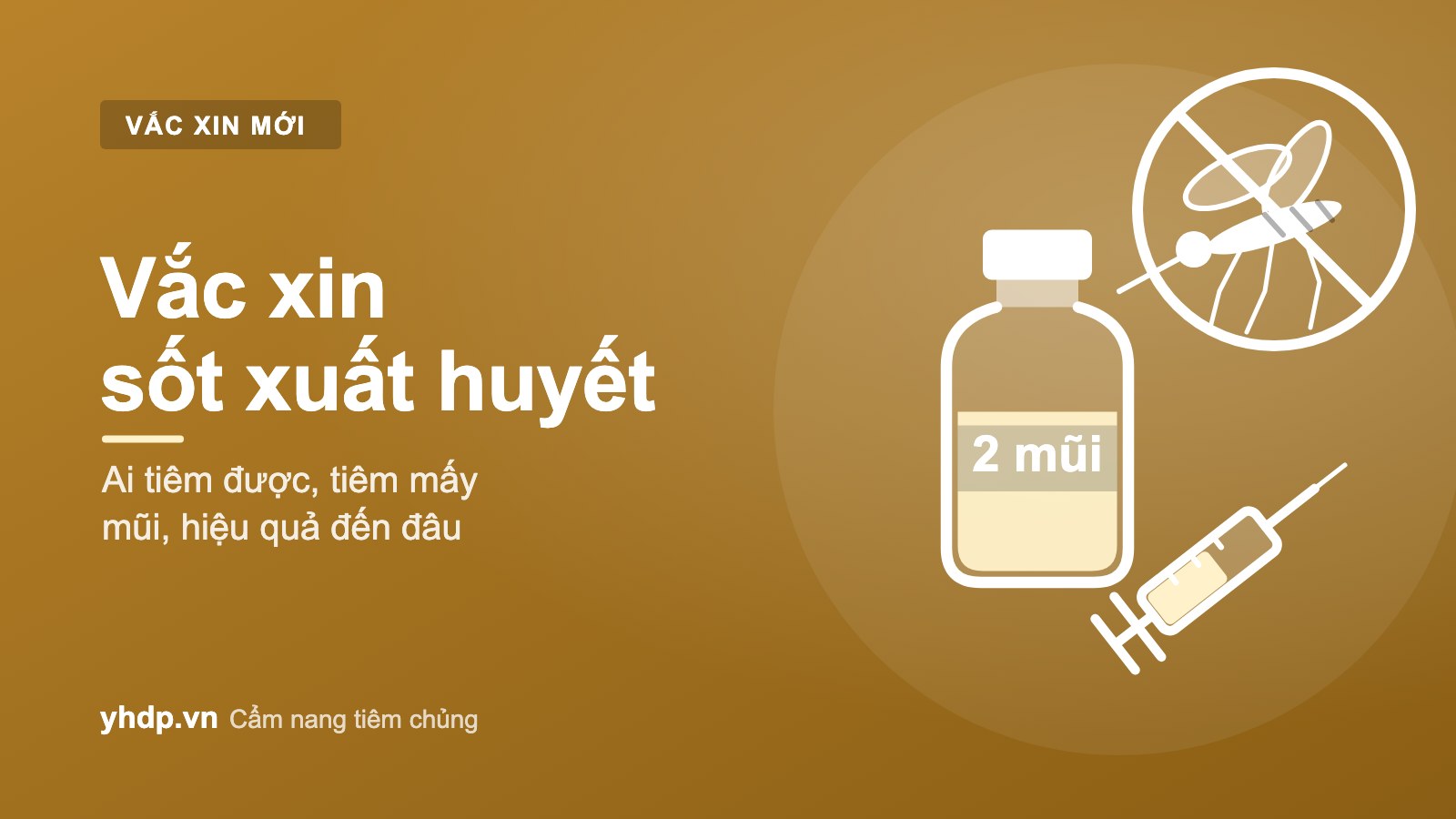
Qdenga dengue vaccine: who can get it, how many doses, how well it works
Qdenga has been licensed in Vietnam since May 2024 for people aged 4 and over. The 2-dose schedule 3 months apart, trial…